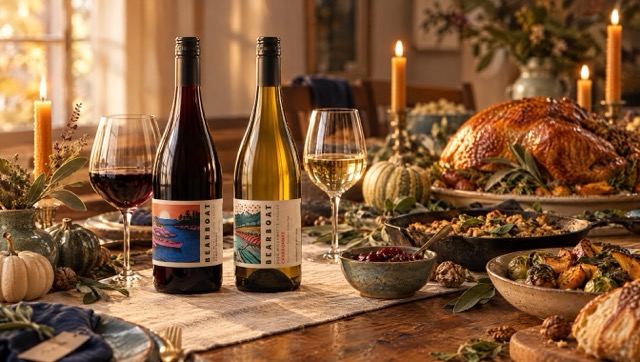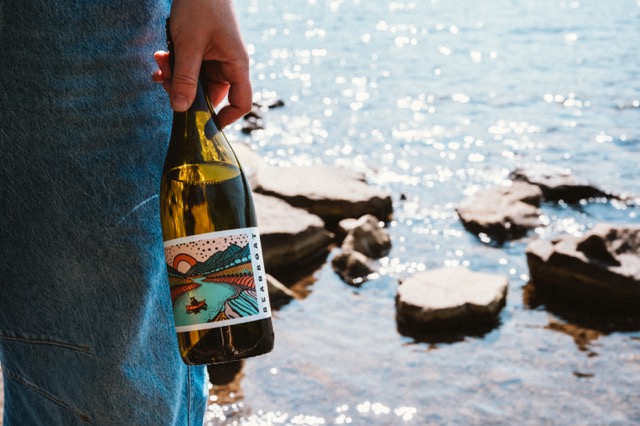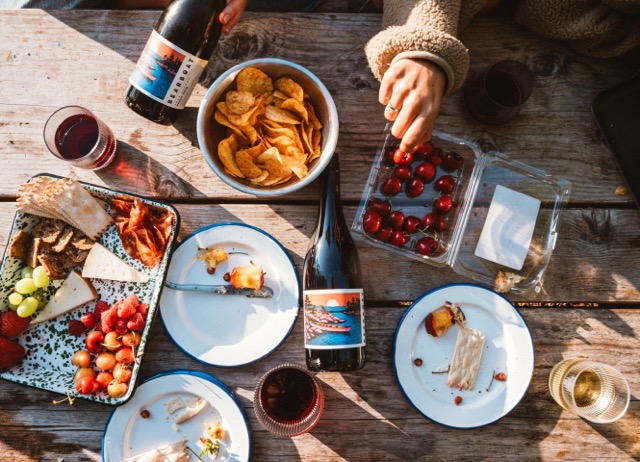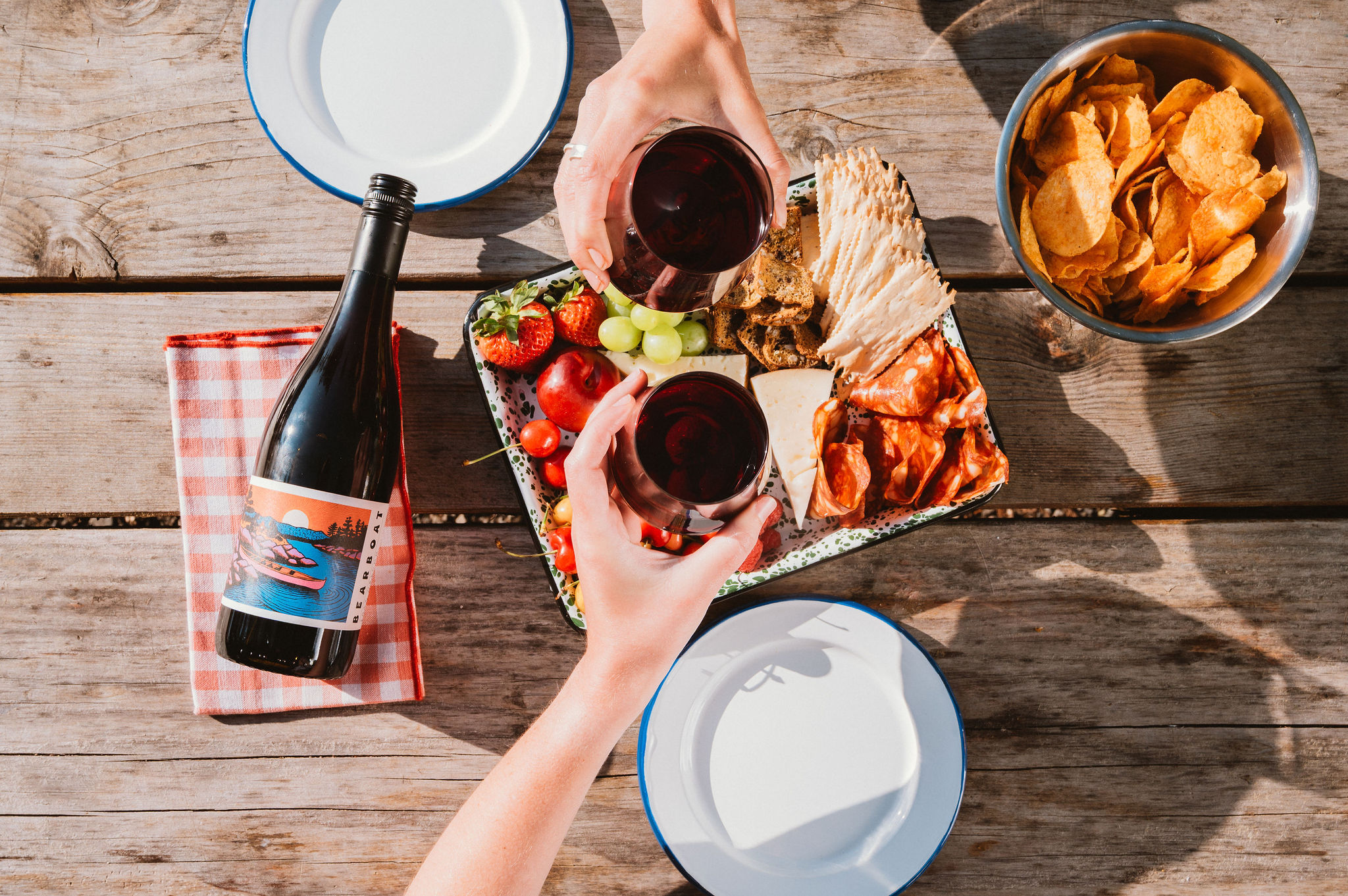
The best pairing we’ve landed on this year happened on a tailgate, off a paper plate, about forty minutes from the vineyard.
Mac and Zeke have never been precious about where a bottle gets opened, and neither are we. But Oregon Pinot Noir food pairing comes up constantly, usually from people worried they’ll get it wrong. You mostly can’t. This is a wine built for a table rather than a trophy case, and it’s far more forgiving than its reputation suggests.
Here’s what works, and the reason behind it.
Start with acidity, not weight
Most pairing advice begins with “light wine, light food.” It’s a decent rule of thumb and a poor rule of physics.
The trait that makes Oregon Pinot Noir so useful at dinner is acidity. Our 2024 sits at 13.5% alcohol, with balanced acidity carrying dark cherry and black raspberry across a silky, smooth texture. Acidity is what cuts through fat, resets your palate between bites, and lets a wine sit beside a rich dish without either one shouting over the other.
That’s why it handles salmon — an oily fish that flattens plenty of other reds.
Three that never miss
Grilled salmon with herbs. The classic Oregon answer, and the one we keep coming back to. Fat from the fish, char from the grill, acidity from the glass. If you want the Pacific Northwest version, cook it on a cedar plank.
Mushroom risotto. Pinot Noir has an earthy, forest-floor quality that meets mushrooms halfway. Rich, savory, and the acidity keeps a heavy bowl of rice from feeling heavy.
A cheese board, ideally outdoors. Cured meat, a hard aged cheese, something pickled. It travels, it needs no cooking, and it makes a hike feel like an occasion without any of the fuss.
The dishes that fight back
Two things genuinely give Pinot Noir trouble.
Heavy heat. Chili, aggressive spice, anything built on capsaicin. Alcohol amplifies burn, and delicate fruit disappears underneath it.
Big, sweet sauces. A sweet glaze makes a dry wine taste sour by comparison. Ours is fermented dry, so a heavy barbecue sauce is working against it, not with it.
If either is on the menu, our Chardonnay is the better call — the texture from six months on the lees stands up to sweetness in a way Pinot’s fruit can’t.
The Tuesday-night test
Here’s the honest version: the pairing matters less than whether the bottle gets opened.
Bearboat is built to land in the low-to-mid twenties on the shelf, which is a deliberate choice. A wine you save for a special occasion gets opened twice a year. A wine you can justify on a Tuesday gets opened when the salmon is already on the grill and nobody planned anything.
That’s the whole idea. Meticulously made — hand-picked fruit, 25% whole cluster, ten months in barrel — without asking you to wait for a reason.
Where to start
Pick the salmon. It’s the most forgiving of the three and the most Oregon of them.
Read the full specs on our 2024 Pinot Noir, or find a bottle near you — we’re on shelves in Florida, Georgia, Colorado and Illinois, and growing.