Somewhere in the 2010s, “ABC — Anything But Chardonnay” became an actual thing people said out loud at wine bars. If that’s you, you’re not wrong about what you tasted. You’re just describing one style of Chardonnay, not the grape itself.
What You Probably Didn’t Like
The Chardonnay that earned the grape its bad reputation is usually heavily oaked and put through full malolactic fermentation — two winemaking choices, not properties of the grape. Oak aging (especially new oak, and a lot of it) adds vanilla, butter, and baking-spice notes that can bury the fruit entirely. Malolactic fermentation converts sharp malic acid into softer lactic acid, which is where that thick, almost creamy “buttered popcorn” character comes from. Stack both techniques on top of each other and you get a wine that tastes more like a barrel than a grape.
What “Lightly Oaked” Actually Means
Oak isn’t an on-off switch. At one end is unoaked Chardonnay, which skips the barrel entirely for stainless steel. At the other is the heavy style: lots of new oak, full malolactic, buttered popcorn in a glass. Lightly oaked sits in between. The wine still meets a barrel, but mostly older ones with only a small share of new wood, so oak adds texture and a little toast instead of vanilla and butter. It’s a completely different drinking experience from the same grape.
Ours Specifically
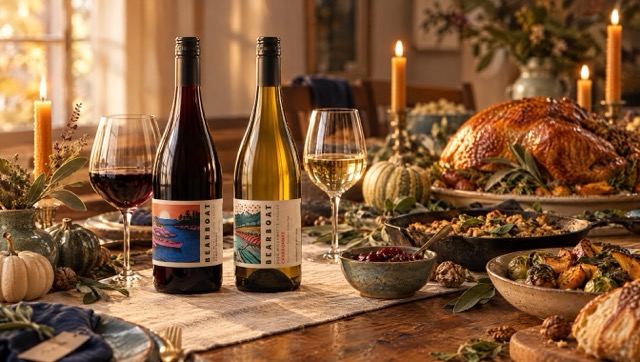
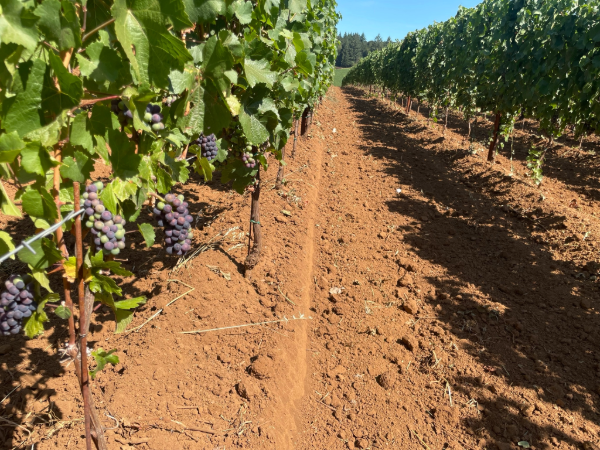
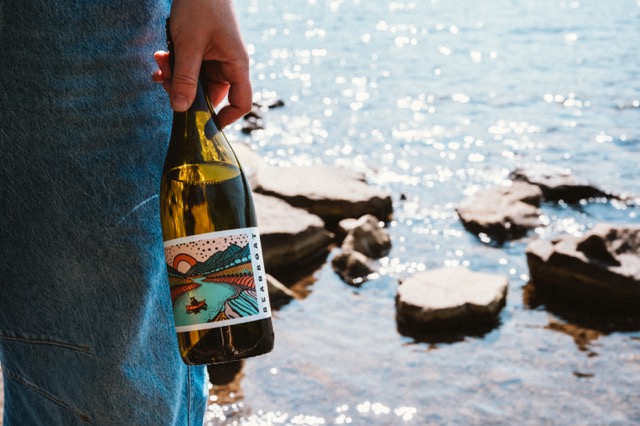
Bearboat’s Chardonnay is dry-farmed, hand-picked fruit sourced from Willamette Valley vineyards, made in a style that keeps the fruit and the valley’s natural acidity front and center. It’s lightly oaked: fermented in French oak barrels, only 15% of them new, and it skips malolactic fermentation entirely, so there’s no buttered-popcorn note to get past. Expect juicy peach and nectarine and a light touch of toast with real acid to back it up — built to go with food, not to be a dessert on its own.
When to Reach for It
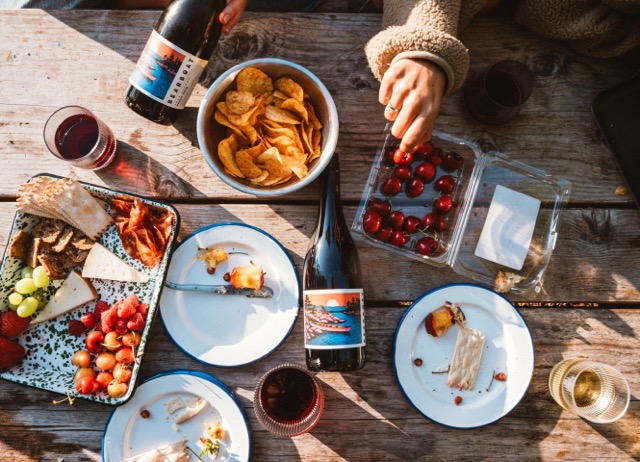
This is the Chardonnay for the moments you’d otherwise default to a Sauvignon Blanc or a Pinot Grigio: roast chicken, a cheese board, the two hours everyone stands around the kitchen before anyone sits down to eat. It has more body than those lighter whites without picking up the weight and sweetness that made you avoid Chardonnay in the first place.
Give It Another Shot
If your last bad Chardonnay experience is still holding a grudge, that’s a winemaking choice you were reacting to, not the grape. See the Chardonnay or find a bottle near you and taste the difference for yourself.